
Why Secure Payment Gateways Are Essential for Online Businesses
Owning an online company can, no doubt, be very rewarding and lucrative. It gives you the freedom to determine your own working hours as well as control over your “office” environment. So, for those who prefer to get things done in their own time, in their own space, and perhaps most importantly, in their own way, an online company that provides either services or goods is a great option. Another benefit is that since you are the business owner, you are also in complete control of how the company’s profits are distributed.
The flip side of this potentially sparkling coin is that every financial loss and/or setback will affect you directly. Therefore, you not only need to generate as many sales as possible, but also ensure that every sale you make has the potential to lead to more.
Note:
In online businesses, customer trust plays a critical role in repeat purchases and long-term profitability.
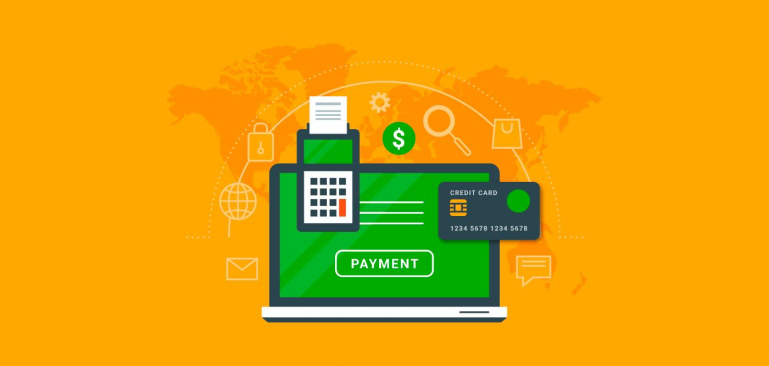
The Importance of Customer Trust in Online Sales
The quickest and most effective way of ensuring that someone will never do business with you again is to provide bad service, especially for online businesses where the exchange of money is involved. In a world where online fraud is so prevalent, an online sale carries a potentially huge risk for both seller and buyer.
Therefore, it is vital that you take every possible precaution to ensure that neither your customers nor your business is financially compromised in any way.
One of the most effective ways of ensuring the safety of online sales is to integrate a payment gateway into your company’s website.
What Is a Payment Gateway?
A payment gateway functions very much like an electronic credit card transaction processing facility or a “point of sale” system designed to process card payments. In simple terms, it is a service that guarantees secure online payments by verifying your customer’s credit card details.
It then establishes whether your customer has sufficient funds available to afford the purchase, and if they do, ensures that you, as the merchant, get paid.
Be careful not to confuse a payment gateway with an online merchant account.
Case Study
A small e-commerce store integrated a secure payment gateway after experiencing customer hesitation during checkout. Following the integration, customer confidence improved, and repeat purchases increased steadily.
How Do Payment Gateways Work? Step-by-Step Explanation
(Although the theory below might take a while to explain, in practice the process happens almost instantaneously.)
Step 1
When a customer decides to purchase an item from your online store, they are required to enter their credit card details into designated fields on the payment page of your website. Once they confirm the purchase, this information is encrypted and directed to your chosen payment gateway.
Step 2
Your payment gateway immediately offloads these details from your site and sends them to the customer’s bank for validation. The bank checks whether the cardholder has the required funds available.
Step 3
If the bank approves the transaction, your payment gateway authorizes the sale and informs you, usually via email and a confirmation notice on your website.
Step 4
Finally, the payment gateway ensures that the money generated by the sale is settled into your account.
Note:
Fast and secure payment processing reduces checkout abandonment and enhances the overall customer experience.
Case Study
An online service provider upgraded to a more reliable payment gateway after experiencing delayed settlements. The improved transaction speed led to better cash flow and stronger customer satisfaction.
Conclusion
Choosing the right payment gateway is vital to the long-term success of any online enterprise. By ensuring secure transactions, building customer trust, and enabling smooth payment processing, a reliable payment gateway helps protect both your business and your customers while supporting sustainable growth.

IIFRA is a leading skill-development institute in India, specializing in Digital Marketing, Cyber Security, Ethical Hacking, Business Analytics, and other future-ready programs. With a strong focus on practical training, industry-aligned curriculum, and career-oriented learning, IIFRA empowers students and professionals to build successful careers in the digital and technology-driven world.