Online Reputation Management Trends to Watch
Before January comes to an end, it is probably best to provide readers with a rundown of what is around the corner regarding online reputation management. In the last several months, we have seen a number of changes to this still relatively new aspect of internet business, and these adjustments are undoubtedly going to lead to further developments in the near future.
Note: Online reputation management continues to evolve rapidly as digital behavior, platforms, and technologies change.
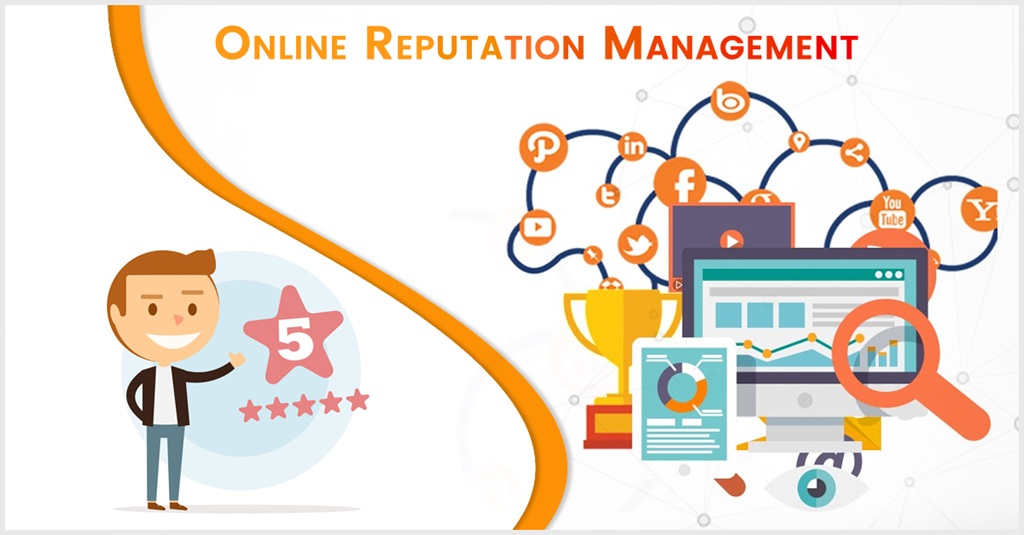
Key Factors That Will Define Online Reputation Management
While nothing is ever certain, you can count on the fact that if anything is going to define online reputation management, it will be closely associated with the following developments.
New Domains: Opportunities and Risks for Online Reputation
Expanded lists of seemingly infinite domain name possibilities provided by ICANN have opened new opportunities for online entrepreneurs struggling to find worthwhile domain purchases in an otherwise competitive and costly arena. However, this change also means that, for the first time, YourFirstName.YourLastName can be a URL. In turn, your claim to that URL could directly affect your future online reputation standing.
Case Study: Personal Domains and Reputation Control
A consultant registered a personal-name domain early and used it to publish verified professional information. This helped control search results related to their name and reduced the impact of misleading third-party content.
SEO Is Changing: Search Behavior and Reputation Impact
People are less likely to conduct internet searches via desktop computers. Increasingly, users rely on mobile devices, and personal assistant applications such as voice-based search tools have gained attention in the science of search. Those working to improve their online reputation must now factor in more than just traditional Google search results.
Note: Mobile usage and voice-based searches are reshaping how online reputations are discovered and evaluated.
The Citizen and the Professional Are Set to Clash
It has long been an established work ethic to leave politics outside the workplace. However, when employers or clients can easily find information online showing political donations or affiliations, separating personal opinions from professional identity becomes more difficult. As more civic data becomes publicly accessible, individuals must remain vigilant about how lawful personal actions can influence professional opportunities.
Case Study: Online Civic Activity Affecting Professional Image
A professional discovered that public political activity was ranking prominently in search results. By proactively publishing balanced professional content and profiles, they were able to restore focus on their career achievements rather than personal affiliations.
Why Reliable Online Identities Matter More Than Ever
The value of online identities reflects the economic principle that market saturation leads to reduced value. There are countless online identities today, many of which are unverified or unreliable. As a result, a confirmed and trustworthy online identity has become one of the most valuable digital assets. Maintaining a credible online identity is central to online reputation management, and it continues to grow more complex over time.
Conclusion
If your online reputation matters to you, it is essential to take control of these factors before they begin to control you. We are approaching a point where online reputation is not just part of real-world identity, but a defining factor in business success. To navigate this shift safely, internet entrepreneurs and professionals must be prepared for what lies ahead and manage their digital presence proactively.
IIFRA is a leading skill-development institute in India, specializing in Digital Marketing, Cyber Security, Ethical Hacking, Business Analytics, and other future-ready programs. With a strong focus on practical training, industry-aligned curriculum, and career-oriented learning, IIFRA empowers students and professionals to build successful careers in the digital and technology-driven world.