
The Evolution and Future of Web Development and Web Design
Looking back a few years, web development revolved around slicing PSDs into HTML and CSS formats. While it may be difficult to quantify day-to-day changes, this is one industry that is constantly evolving. Web development is no different from art; no two developers would create the exact same piece of work given the same job. Web design and development have endless realms to be explored, and the future of web development is not only secure but also on the rise.
The best part is that it is not very difficult to master the art of web development and design. The internet is full of useful blogs and informative articles about new and upcoming technologies, as well as tutorials to help you learn and stay ahead.
Ideally, you should be good at both web design and development, but mastering both is not going to be easy—especially at the beginning. That is completely fine, as there are clients who will pay well for stunning designs, while others need strong back-end code. This allows you to learn while earning. The key is to remember that the industry is evolving, and one must evolve with it rather than remain a PSD slicer forever.
Adhere to the following tips, and your future as a web developer or web designer will be bright.
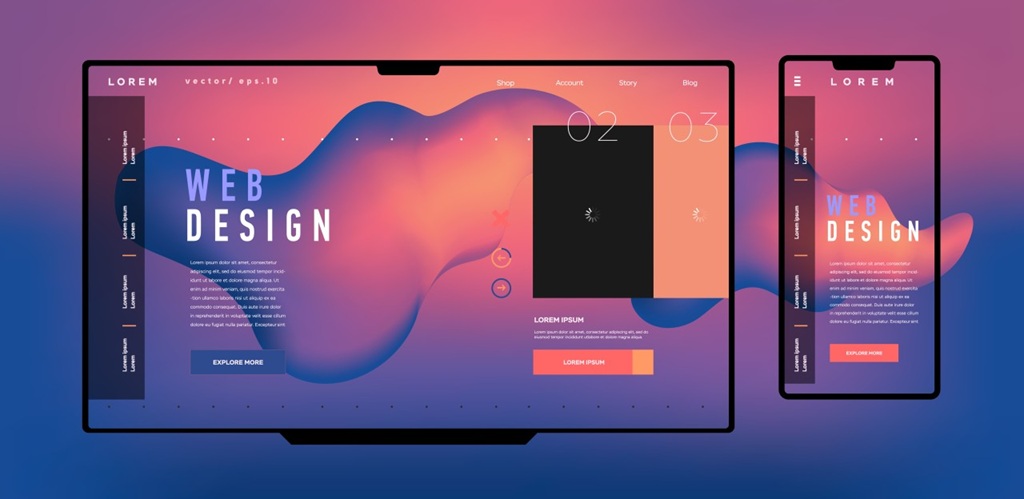
Essential Skills and Trends Web Designers Must Follow
Design matters a lot. People believe in what they see, and a good designer can make people believe in a business. However, evolution is necessary, and the learning curve does not end at college or with the first web design course you take.
For example, Flash-based websites are rapidly declining because they take longer to load and have other limitations. While flashy intros and gimmicks were once popular, users now prefer convenience and responsiveness. However, even as the world shifts to HTML5 and CSS3, some entertainment websites still favor Flash.
This leads to the concept of Responsive Web Design (RWD). It is not only about cross-browser compatibility but also mobile compatibility. With the rapid rise of smartphones, interfaces must work seamlessly across devices. It is the responsibility of designers and coders to ensure functionality in smaller screen sizes without compromising visual appeal.
Additionally:
Responsive web design improves user experience and helps websites perform better across search engines and mobile devices.
Case Study 1: Responsive Design Improving User Engagement
A business redesigned its website using responsive web design principles. As a result, mobile user engagement increased, and bounce rates dropped significantly.
What Modern Web Developers Need to Adapt and Learn
The same need for adaptation applies to back-end developers as well. There has been a massive expansion of options, from basic server-side scripting in PHP to ready-made modules that require customization.
Developers now need working knowledge of Content Management Systems (CMS) and Customer Relationship Management (CRM) platforms. Popular systems include Drupal, Joomla, Magento, and others. Developers also have the added responsibility of writing code that can be easily ported across different devices and operating systems.
The golden rule of evolution applies to both designers and developers. In simple terms, continuous learning and delivering better products each time is essential. Sticking to outdated techniques will not secure a future in this industry. To build a stable freelance career, you must adapt to change. This becomes much easier when your fundamentals are strong.
Additionally:
Learning modern frameworks and platforms increases flexibility and long-term career sustainability for developers.
Case Study 2: CMS Expertise Expanding Freelance Opportunities
A freelance developer learned multiple CMS platforms and gained access to higher-paying international projects that required scalable and portable solutions.
Conclusion
Web design and development are constantly evolving fields that reward adaptability and continuous learning. By embracing new technologies, improving core skills, and staying aligned with industry trends, designers and developers can build a secure and successful future in this growing digital landscape.

IIFRA is a leading skill-development institute in India, specializing in Digital Marketing, Cyber Security, Ethical Hacking, Business Analytics, and other future-ready programs. With a strong focus on practical training, industry-aligned curriculum, and career-oriented learning, IIFRA empowers students and professionals to build successful careers in the digital and technology-driven world.