
SEO vs Ecommerce SEO: Understanding the Key Differences
Many businesses are becoming increasingly aware of SEO and online marketing and are using many SEO principles in the design and content of their website. What they might not be fully aware of, however, is the difference between traditional SEO and SEO for Ecommerce.
There are a number of differences between the two, and we have gathered several factors and tips from experts to help businesses like yours when it comes to designing SEO for Ecommerce.
Note: Ecommerce SEO focuses not only on visibility but also on guiding users toward product discovery and conversions, which makes it more complex than traditional SEO.
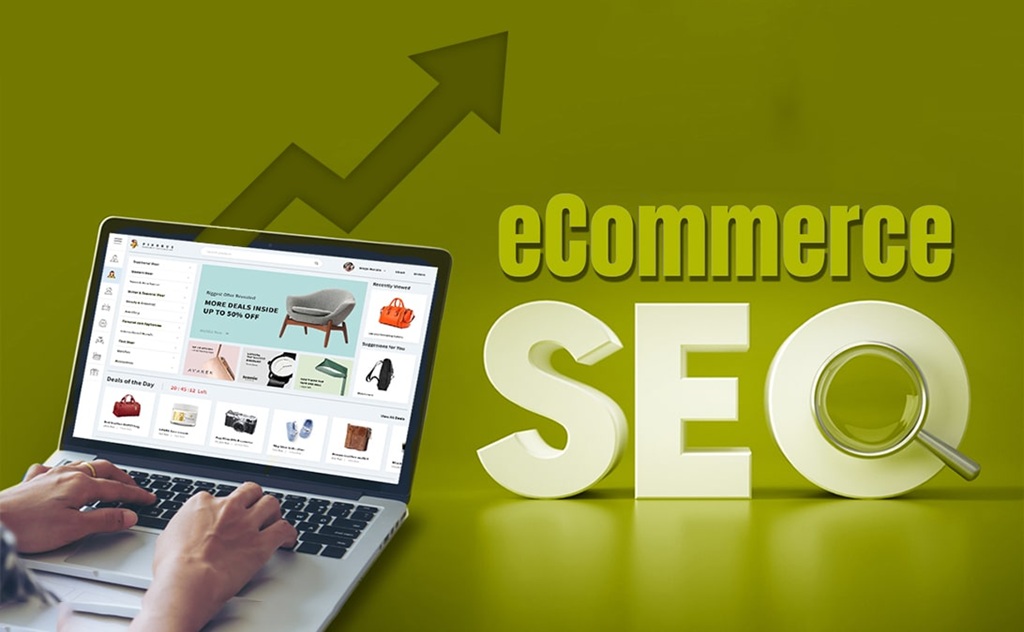
Multiple Categorisations for Better Ecommerce SEO
This might sound complex, but it is actually quite simple. If an item in your inventory fits only one SEO topic, then it can be found in only one search. However, if it has more than one tag, then it can be found multiple times. Think of a grey ladies’ coat that might ordinarily be given the keyword “grey coat.” This means that anyone searching for a grey coat might find yours and buy it.
If you then add “coat,” “ladies coat,” “grey winter coat,” and “ladies grey coat” to the equation, there is not only a greater chance of your original customer finding and buying the coat, but also of someone looking for a ladies’ coat without necessarily knowing or having already decided that they want it to be grey, or any other colour for that matter.
This is simply the SEO for Ecommerce equivalent of giving yourself as many chances as possible to be found and of making a sale or attracting a customer.
The Importance of a Site Map in Ecommerce SEO
Although many people find a site map by accident and are unlikely to visit it again, the site map is actually more helpful for ranking higher with a search engine than for benefiting customers. Let’s be honest, as much as you want customers to be involved, entertained, or stimulated by your site, you also want them to be able to find it, and a site map is the easiest way for a search engine like Google to pick up on the keywords or headings of your pages without you having to do very much.
In essence, a site map allows Google’s detectors (or spiders, as they are popularly known) to go through every page of your site with minimum effort but maximum results for you. The more products you have on your site, the more difficult it can be to list everything and still expect it to be found. Larger companies with thousands of products have started using sub-categories and segmented maps to make both their work and Google’s job easier.
Note: A well-structured site map helps search engines understand product hierarchy, which improves indexing for large ecommerce websites.
Keep Ecommerce Content Fresh and Updated
The most recent research into the algorithms used by Google shows that they are regularly updated and therefore have a higher chance of picking up new content. For this reason, as well as to maintain customer interest, it has never been more important to refresh content regularly. However, this does not just mean changing the home page or product descriptions.
Think in terms of blogs, reviews, and even allowing guests to blog on your behalf—either through reviews or by sharing their general opinions.
Case Study: Using Multiple Product Categories to Increase Visibility
An online fashion store implemented multiple keyword-based categories for its products instead of relying on a single product label. As a result, the same product began appearing in several relevant searches, leading to increased product views and higher conversion rates.
Case Study: Improving Rankings Through a Structured Site Map
A growing ecommerce business with hundreds of products reorganized its site map using sub-categories and segmented pages. This made it easier for search engine crawlers to index new products, resulting in faster indexing and improved search visibility.
Conclusion
SEO for Ecommerce goes beyond traditional SEO by focusing on product discoverability, structured navigation, and regularly updated content. By using multiple categorisations, maintaining an effective site map, and keeping content fresh, ecommerce businesses can significantly improve visibility, attract more customers, and increase sales over time.
Related Posts:


IIFRA is a leading skill-development institute in India, specializing in Digital Marketing, Cyber Security, Ethical Hacking, Business Analytics, and other future-ready programs. With a strong focus on practical training, industry-aligned curriculum, and career-oriented learning, IIFRA empowers students and professionals to build successful careers in the digital and technology-driven world.