
Digital Marketing vs Traditional Marketing: A Comparative Analysis
There has been debate and discussion over whether digital marketing has overwhelmingly defeated the entire purpose of traditional marketing. As with most discussions, there are some points that are too extreme to be true. This is one of them as well.
Despite the rise of digital marketing, which has in many ways taken a lot of space that traditional marketing earlier occupied, suggesting that traditional marketing is finished is reckless and without cogent analysis.
Traditional marketing, as the name suggests, is the old form of marketing that is based on reaching the maximum number of people through mass media such as newspapers, radio, magazines, television, and so on.
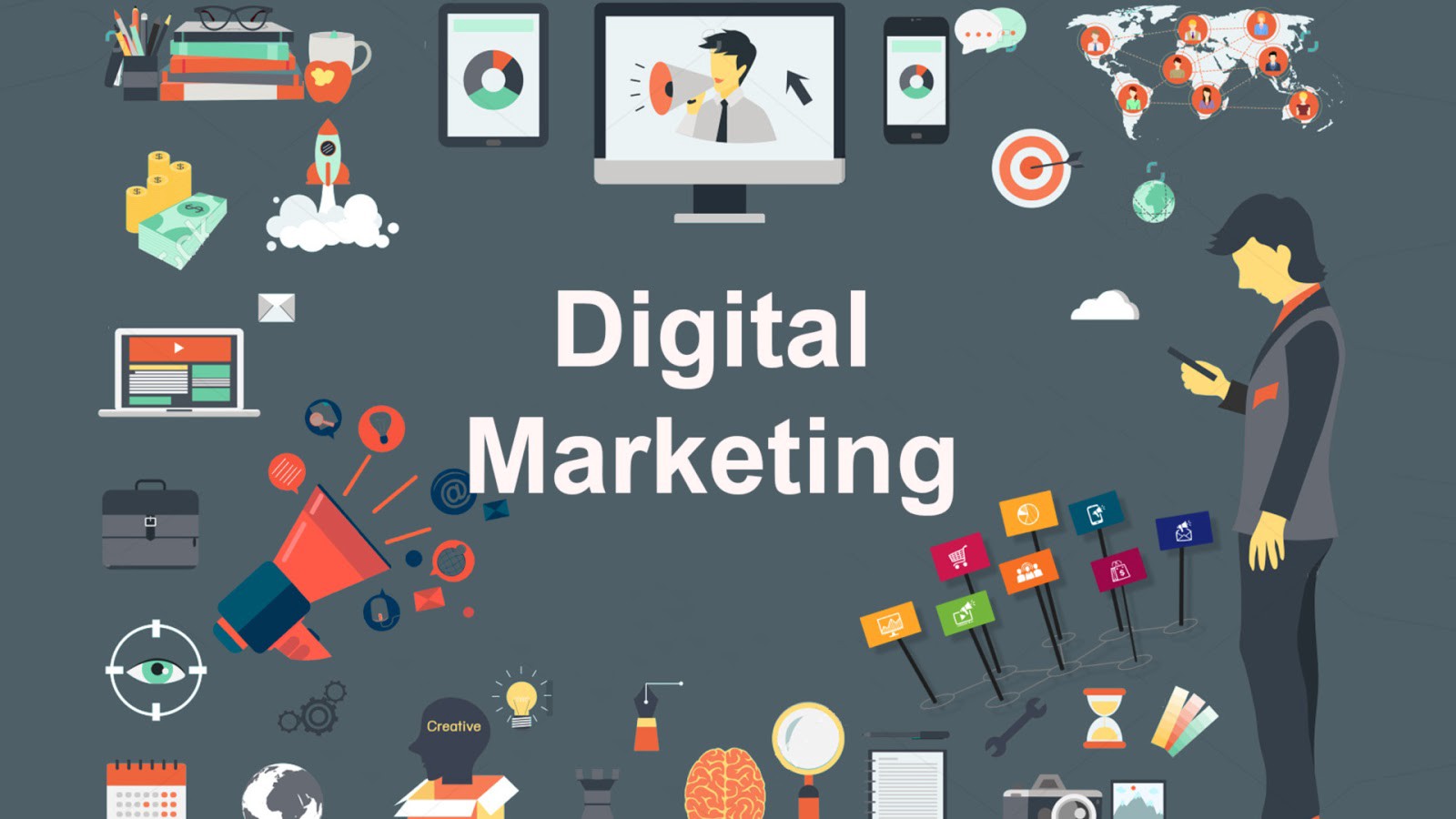
Digital marketing is based on the same premise of reaching a large volume of people, but the only striking difference is the medium of communication, which in this case is through digital channels.
In this article, we will discuss the advantages of digital marketing over traditional marketing.
Note:
Digital marketing does not replace traditional marketing entirely; instead, it complements it by offering additional channels and flexibility.
Cost-Effective Nature of Digital Marketing
By pure numbers, digital marketing is cheaper than most traditional marketing methods. A striking difference between digital and traditional marketing is the operating principle involved. While traditional marketing is based on reaching people, digital marketing is based on making people discover the brand itself through digital platforms.
Since users discover the brand themselves in digital marketing, the cost is significantly lower compared to traditional forms of marketing. Furthermore, even at a low-cost point, digital marketing is much more efficient in terms of conversions and ROI.
Faster Growth Compared to Traditional Marketing
One significant advantage of digital marketing over traditional marketing is the speed with which the former can be implemented. The same speed is also reflected in the results, which often follow immediately after implementation.
This is a crucial advantage, as most traditional marketing campaigns take a lot of time to show potential and return results that justify the investment made in them.
The reason behind this is not singular, but rather the superior technology underlying digital marketing. It is much easier and more efficient to market a product through digital means and analyze specific marketing campaigns for improvement. This technological superiority is why digital marketing offers faster growth than traditional marketing.
Case Study
A startup shifted its promotional budget from print advertisements to digital channels. Within a short period, the brand experienced faster audience engagement and measurable conversions, which were previously difficult to track using traditional media.
Diversity of Opportunities in Digital Marketing
Traditional marketing is not suitable for all types of companies in the market. For a small store in a busy marketplace, traditional marketing may be the wrong choice.
Digital marketing, on the other hand, can be used to fulfill a wide range of purposes. Almost every niche in the world has been promoted online through the core principles of digital marketing.
For a blogger or a brand looking to start a business, questioning whether their line of work suits digital marketing is unnecessary. There exist sizable communities of all kinds online that can be reached through simple digital marketing principles such as content creation, SEO, SEM, and more.
The best part of this advantage is the fact that brands can drive engagement through digital marketing at a level that is unforeseen in traditional forms of marketing.
Note:
The flexibility of digital marketing allows businesses of all sizes to experiment, adapt, and scale strategies based on real-time performance data.
Case Study
A local service provider adopted digital marketing strategies like SEO and content marketing to reach niche audiences. This approach helped the business compete with larger brands without investing heavily in traditional advertising.
Conclusion
Digital marketing has clear advantages over traditional marketing in terms of cost efficiency, speed, and diversity of opportunities. While traditional marketing still holds value, digital marketing offers modern businesses the adaptability and reach needed to thrive in an increasingly digital world.
IIFRA is a leading skill-development institute in India, specializing in Digital Marketing, Cyber Security, Ethical Hacking, Business Analytics, and other future-ready programs. With a strong focus on practical training, industry-aligned curriculum, and career-oriented learning, IIFRA empowers students and professionals to build successful careers in the digital and technology-driven world.